BRICS Overview
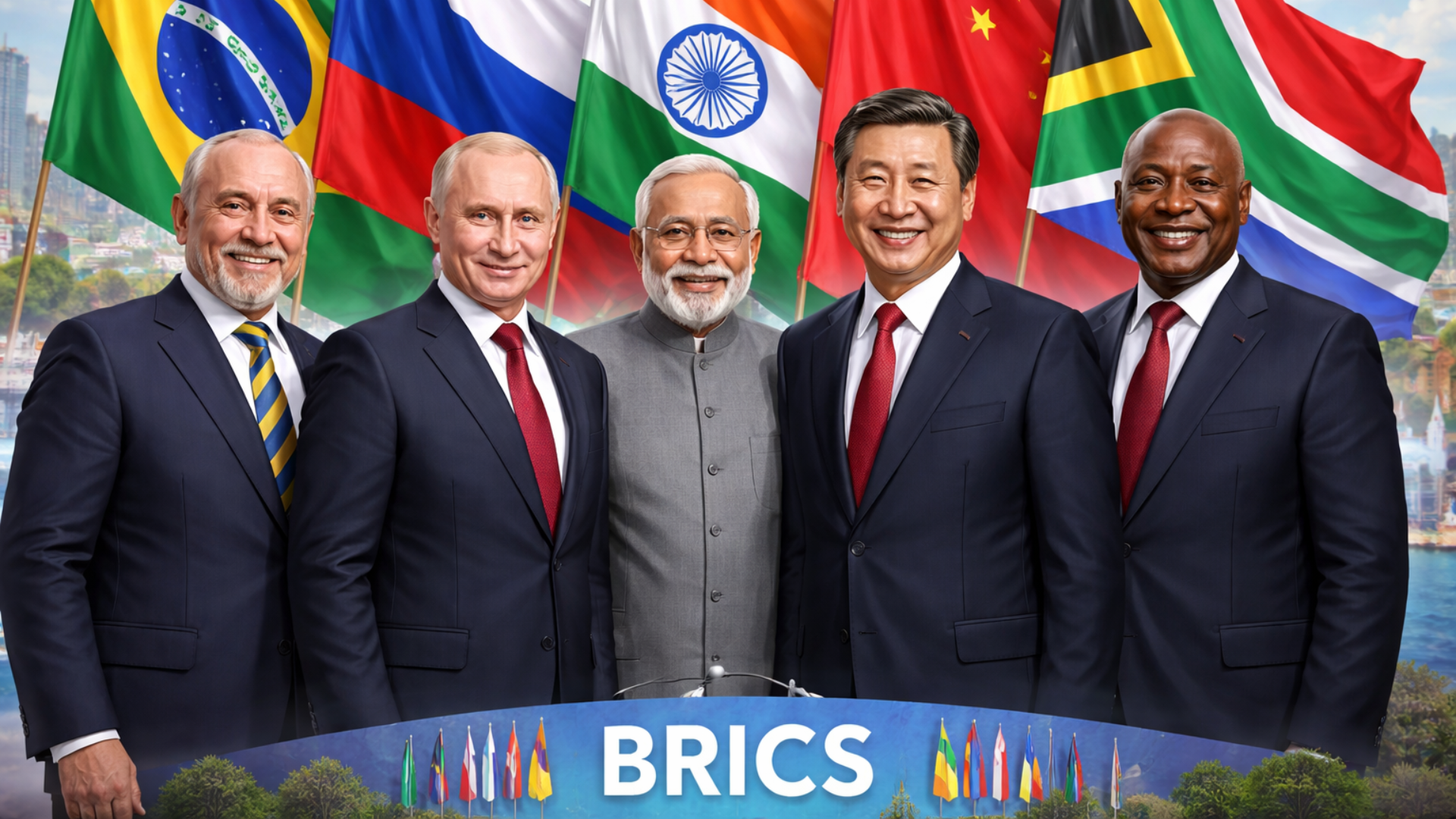
What is Brics The term BRICS represents Brazil, Russia, India, China, and South Africa, the world’s largest emerging economies. The term was originally used as early as 2001 but became official when the first summit of the BRIC nations took place in 2009.South Africa joined in 2010, making it “BRICS.” The group is an informal economic group and geopolitical alliance aiming to increase the collective influence of the Global South and challenge Western-dominated institutions. Unlike a formal organization, BRICS operates by consensus at annual summits, with no permanent charter or headquarters. Together the BRICS countries make up 40 percent of the worlds population and are close to making up 40 percent of the worlds GDP when adjusted for purchasing power. The BRICS nations play a role in coordinating trade, investment and development finance and they offer different multilateral forums, such, as the BRICS New Development Bank. In short the BRICS group is a bloc of emerging economies that wants a world order where than one country has power and it does this by making the voices of developing and middle-income countries like the BRICS countries heard louder.
Key Concepts and Terminology
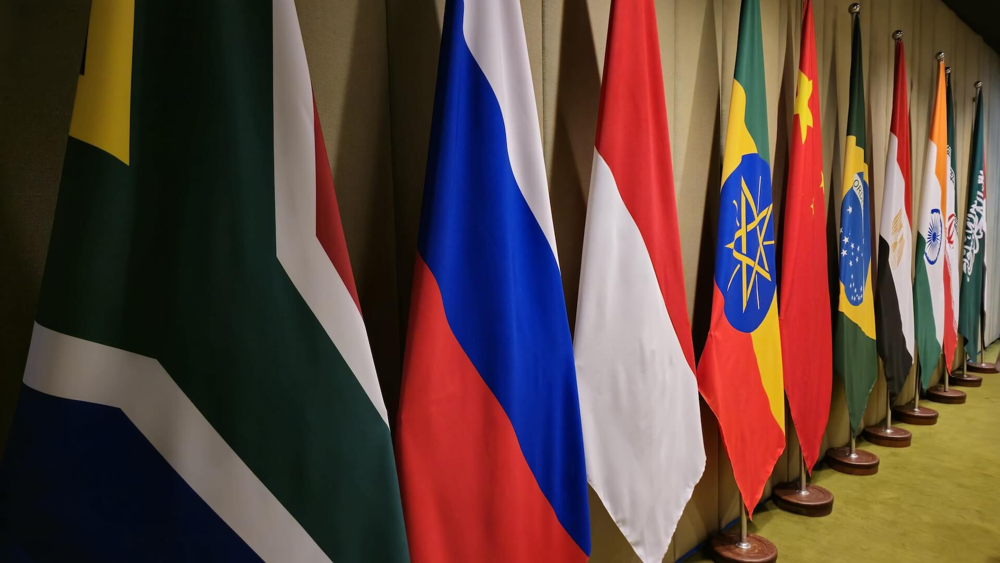
BRICS Expansion / BRICS+: The BRICS group started to get bigger after 2020. They began to let new countries join, like Egypt and the United Arab Emirates and Iran and Saudi Arabia and Ethiopia and Algeria and some others. People often call this group BRICS+. This is happening because a lot of people want to see greater global south leadership and they want the group to be more inclusive.
BRICS Summit: The BRICS Summit is a meeting that happens every year. The leaders of the countries get together to talk about things and sign agreements. This meeting has been happening since 2009. It is hosted in different cities where the members are from. They do not have a set plan for what they will talk about they just try to agree on things.
New Development Bank (NDB): The New Development Bank is like a bank for the BRICS countries. It was started in 2015. It is based in Shanghai. The bank helps to pay for projects in the member countries and other countries that are still growing.
Contingent Reserve Arrangement (CRA): The Contingent Reserve Arrangement is like an emergency fund. It is there to help the BRICS countries if they have problems with money.
De-dollarization: The BRICS group also wants to use the US dollar. They want to do trade using their local currencies and they want to make new systems for paying for things.
Global South: The Global South is a part of what the BRICS group is about. They say they are an alliance for the Global South and they try to help the interests of countries that are still developing. They do this at meetings like the United Nations and the G20 and the International Monetary Fund and the World Bank. The BRICS group is very important, for the Global South because it gives them a voice. The Global South is made up of countries and the BRICS group is trying to help them. The BRICS group is working hard to make sure the Global South is heard.
History and Formation
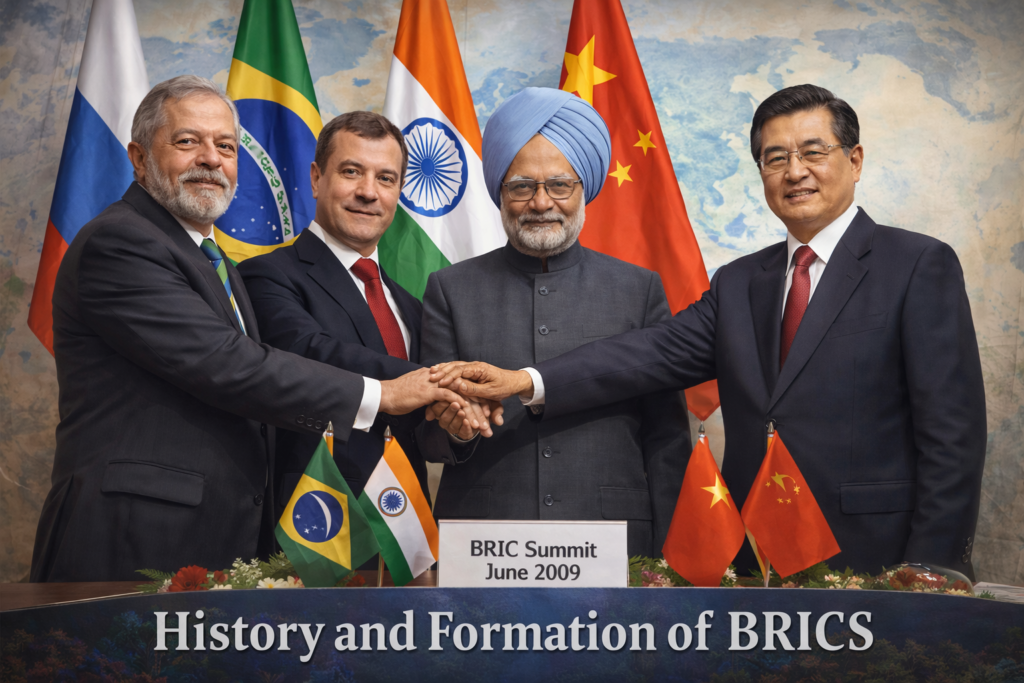
The start of the BRICS group began in the 2000s. This is when Jim O’Neill, an economist at Goldman Sachs came up with the term BRIC, which stands for Brazil, Russia, India and China back in 2001. He thought these countries were going to grow a lot. When the world had a financial problem from 2007 to 2008 these countries that were getting stronger decided to work together. In June 2009 the leaders of the BRIC countries had their meeting, in a city called Yekaterinburg in Russia.
Some important things that happened in the history of BRICS include:
- 2001: The term “BRIC” was made popular by Jim O’Neill. He highlighted how big Brazil, Russia, India and China would be in the future.
- 2006: The finance ministers of Brazil, Russia, India and China met in São Paulo. They wanted to work
- June 2009: The first meeting of leaders from Brazil, Russia, India and China happened in Yekaterinburg, Russia. They talked about the world economy and development. This was a deal. It showed a new group was forming.
- April 2011: At a meeting in Sanya China. South Africa was invited to join. Now it was called BRICS.
- 2013–2014: There were talks. They finally agreed to create a bank and a special fund at a meeting in Fortaleza, Brazil in 2014. This was a step for BRICS.
- July 2015: The new bank, called the New Development Bank (NDB) officially started in Shanghai. KV Kamath was its president.
- 2021: The NDB added members: Bangladesh, Egypt, the UAE and Uruguay.
- 2023: At a meeting in Johannesburg BRICS said new members would join on January 1 2024. Egypt, the UAE, Iran and Ethiopia were going to join.
- January 2024: Indonesia became a member of BRICS.
- 2024: Russia hosted a meeting, in Kazan in October. Five new countries joined: Saudi Arabia, Iran and others. Now BRICS had 11 members.
- July 2025: The 17th BRICS Summit happened in Rio de Janeiro, Brazil. They talked about growing and making changes.
These milestones chart BRICS’s shift from a dialogue group into a larger international organization of developing economies
Timeline of Major Events
- 2009: First BRIC Summit held in Russia.
- 2010: Agreement on NDB signed at the 6th BRIC Summit.
- 2011: South Africa joins the group. First “BRICS” summit is held.
- 2015: NDB begins operations. China cashes in the first capital.
- 2016: NDB African Regional Center opens in South Africa.
- 2018: India: Office of NDB opens in Gujarat. Euro and Yuan loans issued.
- 2021: NDB admits four countries as new members: Bangladesh, Egypt, UAE, Uruguay.
- 2023: BRICS group decides to expand the membership.
- 2024: BRICS group is to expand with the addition of Egypt, UAE, Iran, Ethiopia.
- 2015: NDB admits Algeria.
- 2016: Lula hosts the BRICS summit.
- 2025: NDB admits Uzbekistan, Colombia, and Ethiopia.
- 2025: NDB admits Algeria.
- 2025: NDB admits Uzbekistan, Colombia, and Ethiopia.
- 2025: Lula hosts the BRICS summit.
These important events correlate with the group’s internal objectives and external factors.
Core Mechanisms and Institutions
BRICS is not like a group of countries that trade with each other and have the rules about taxes on imported goods. Instead BRICS countries work together by talking to each other and using organizations.
- New Development Bank (NDB): NDB is a part of how BRICS countries work together on economic cooperation.. It helps pay for roads and other big projects in BRICS countries that are good for the environment. The NDB does some cool things like selling special bonds in the currency of each country and making sure that the projects it pays for are good for the environment. By the middle of the 2020s the NDB had already paid for a lot of projects in BRICS countries, which helped these countries grow in a way that’s good for everyone. This also gave BRICS countries another option besides getting loans from the World Bank or AIB loans.
- Contingent Reserve Arrangement (CRA): CRA is like a safety net for BRICS countries. It is a pool of $100 billion that these countries can use if they are having trouble paying their debts. This helps keep the economy of BRICS countries stable without them having to follow rules set by the International Monetary Fund (IMF).
- BRICS Development Bank: BRICS countries have also talked about creating their bank or system for paying for things without using the US dollar. Some people think that by 2026 BRICS countries might have a digital way to pay for things. This is part of a plan to use the US dollar less. It is hard to do because not many people outside of BRICS countries want to use the money of BRICS countries.
- Forums and Working Groups: BRICS countries also have meetings and groups where they talk about business, education and laws. They even have groups that work on trade, health and science. However these groups do not have the power to make anyone do anything so all the decisions they make are suggestions.
- Trade and Investment Ties: When it comes to trade and investing in each others countries BRICS does not have any rules that all countries must follow.. More and more BRICS countries are making their own agreements with each other to trade and invest. For example India has an agreement with some countries in Southeast Asia and China has a plan to build roads and other things all across Asia and Europe that includes some BRICS countries. Russia and China also have agreements to work together on energy projects. BRICS countries are also working together on technologies, farming and health care.
All of these things show that BRICS countries work together using organizations and cooperation than having one central government that makes all the decisions, for them. BRICS countries use these organizations and cooperative channels to achieve their goals. This is how BRICS functions.
Major Applications Across Sectors
The BRICS cooperation covers a lot of areas.
Infrastructure and Energy: One of these areas is Infrastructure and Energy. The New Development Bank (NDB) funds projects that are related to power grids and renewable energy. For example there are projects that focus on power grids and renewables. These are like the ones described in Case Study 1 below. The BRICS countries also share their practices with each other. Brazil has a lot of experience with biofuels. India is really pushing for solar energy.
Finance and Currency: Another area is Finance and Currency. The BRICS countries are trying to trade with each other using their currencies. For instance India and Russia are trading with each other using the rupee and the ruble. China and Russia are also doing something with the yuan. The BRICS development bank is issuing bonds to help fund projects in emerging markets.
Trade: The BRICS countries also trade with each other. China buys a lot of things from BRICS countries like oil from Russia and minerals from Africa. This trade is very important for the group. They want to increase the amount of trade between them and make it easier to do business with each other.
Science and Technology: The BRICS countries are also working together on Science and Technology Artificial Intelligence (AI). They are doing research on climate change, digital technology and healthcare. They even have a network that works on developing vaccines. This became really important during the pandemic in the 2020s.
Agriculture and Education: They are also working together on Agriculture and Education. They have exchange programs, like scholarships for students from countries. They are also working together to make sure everyone has food.
Diplomacy and Security: The BRICS countries also talk to each other about Diplomacy and Security. They try to agree on what they think about global issues like climate change and UN reforms. Sometimes they do not agree, like on the war in Russia.. They often issue joint statements on things like terrorism and the importance of working together.
Overall the BRICS cooperation is important where the countries economies are similar. They work together on things like development, financial stability and South-South cooperation. The BRICS countries are working together in areas and BRICS cooperation is very important, for them.
Global Impact and Influence
BRICS’s influence on the world stage is multi-faceted:
Economic Weight: BRICS economies have a share of the global economy around 40% of the total GDP. This means that BRICS economies play a role in shaping the way the world economy grows. They are very important for the demand for commodities and international trade. The International Monetary Fund (IMF) thinks that by 2025 the economies of BRICS countries will be growing faster than the rest of the world. The growth of the Indian economies is especially important for the BRICS group.
Institutional Challenge: Some people think that BRICS was created to be a counterweight to the groups of countries led by the West. BRICS is making its institutions, like the New Development Bank (NDB) and the Contingent Reserve Arrangement and it is working towards a world where many countries have more power. This is a challenge to the way things are currently done. It is making groups like the G20 and the International Monetary Fund think about the need for reforms like giving voting power to countries that are still developing.
Diplomatic Bloc: When it comes to international issues BRICS countries often vote together or make joint statements. This represents the views of countries that are still developing. Now that BRICS has members it represents half of the people in the world and has a bigger say in the United Nations. The European Parliament has noted that the expansion of BRICS is giving power to developing countries in the United Nations (UN), the World Trade Organization (WTO) and other international institutions.
Global South Voice: For developing countries BRICS is a way to talk about important issues like getting fair access to vaccines relieving debt and dealing with climate change. By speaking up for the concerns of the Global South BRICS is helping to change the way people think about justice and development around the world.
Market Signals: Investors pay attention to the meetings of BRICS countries because they can indicate trends in the economy. Sometimes announcements made at these meetings can have an effect on the markets, in BRICS countries. For example talk of a shared currency can affect the foreign exchange market.
In summary, BRICS’s global role is to balance economic power by providing emerging nations a collective voice. Its growing membership has deepened its global influence – now with roughly 37–40% of world GDP and significant geopolitical weight.
Regional and Global Adoption
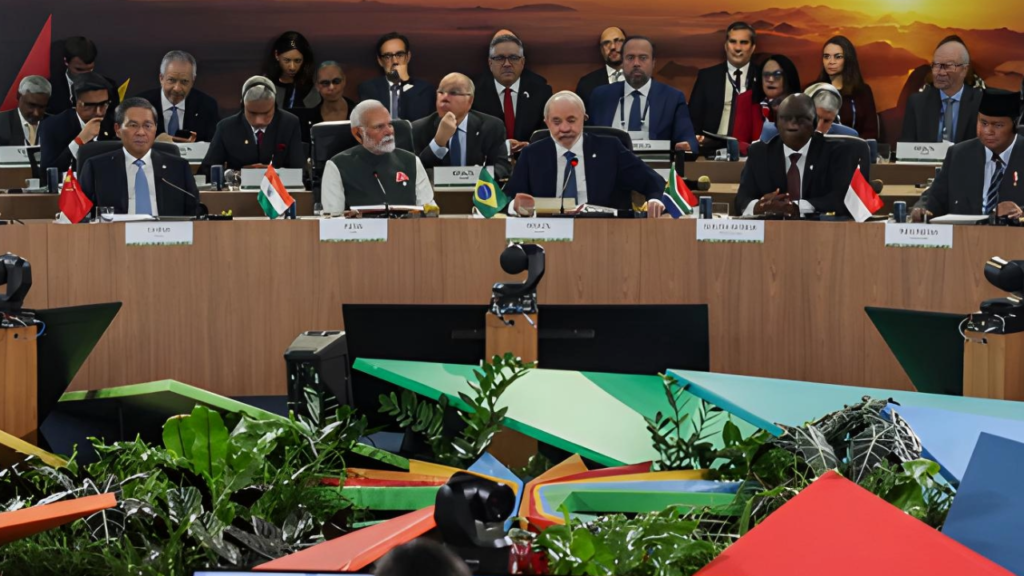
The BRICS model is really popular with a lot of developing countries. By the year 2025 the number of countries that are part of BRICS has gone up to 11. There is also something called BRICS+ partnership status that is available to other countries. For instance countries like Vietnam, Thailand and Kazakhstan have a status where they can observe or have a dialogue with BRICS. This just shows how popular BRICS is becoming around the world: many countries in the Global South want to be closer to BRICS or even join it because they see BRICS as a different option from the institutions that are led by Western countries.
If we look at the parts of the world where BRICS has a presence we can see that it covers all the continents where people live. There is Brazil in Latin America, Russia in Eurasia India in South Asia China in East Asia and South Africa in Africa.. Now BRICS also has members from the Middle East like the UAE, Saudi and Iran as well as other countries in Africa such as Egypt, Ethiopia and Algeria and even some countries in South America like Colombia. This just goes to show how much BRICS wants to be an alliance that includes everyone. In Africa for example the fact that there is an office for the NDB Africa Regional Center, in Johannesburg and that many African countries are now part of BRICS shows that the leadership role for the Global South. The BRICS model is becoming more and more popular. It is clear that many countries want to be a part of it.
Benefits and Opportunities
Economic Growth: The members of the BRICS Business Council benefit from investing in each other. The BRICS Business Council and the New Development Bank get money for projects like roads and bridges which helps get more private money invested and makes the economy grow. For example loans from the New Development Bank make it cheaper for projects like energy and transportation to get the money they need.
Development Financing: Some countries in the BRICS group had a time getting loans from banks in Western countries. The New Development Bank gives them another way to get money for projects that’re good for the environment. More money is being. Given as gifts from one country in the South to another.
Diversification: When BRICS countries trade and lend money in their currencies they do not have to worry as much about exchange rates. The BRICS countries have agreed to swap currencies with each other which means they do not have to use the dollar or euro much. This is really helpful for countries that are having problems because of sanctions. The South African Institute of International Affairs (SAIIA) says that using currencies makes it cheaper to do business and helps the countries develop.
Strategic Alliances: For countries like South Africa, Indonesia and Brazil that’re not as powerful as some others being part of the BRICS group gives them more influence in the world. They get to go to meetings get people to listen to their problems and can balance their relationships with China and Western countries.
Global Voice: When the BRICS countries work together they can push for things that’re important to them like making sure everyone is treated fairly when it comes to the environment changing the way the United Nations (UN) works and making sure taxes are fair around the world. This gives developing countries a way to get their priorities heard.
Innovation and Technology: The BRICS group has platforms where countries can share ideas and technologies like the BRICS Startup Forum. For example India has shared its technology for space exploration with Africa and China has shared its 5G networks, with BRICS countries. The BRICS countries can work together to develop technologies and help each other grow.
Overall, BRICS offers opportunities for inclusive development and a stronger voice for emerging economies
Challenges, Risks, and Ethical Concerns
- Divergent Interests: The countries in BRICS are quite different. They have types of governments, rivalries and economies. For example India and China are rivals and Saudi Arabia and Iran do not always agree. These differences make it hard for them to agree on things. The European Parliament has noted that conflicts like the one between Saudi Arabia and Iran can make it difficult for BRICS countries to have a stance.
- Consensus Model: To make decisions all BRICS countries must agree. This often results in statements. Big projects, like having a currency take a long time or may not happen at all. This unclear situation is a risk for people who invest in or work with BRICS. They do not know if BRICS is a team or just a group that talks.
- Global Economic Risks: BRICS countries face problems like prices, too much debt and climate issues.
- Brazil and South Africa are struggling with changes at home.
- India needs to improve its infrastructure.
- China and Russia have issues with countries.
These internal problems limit what BRICS can achieve together.
- Sanctions and Geopolitics: Russia and Iran being part of BRICS causes tension with countries. Using BRICS for trade like trading in rubles might cause Western countries to push back or put sanctions on BRICS members. Some people worry that BRICS might help countries that are sanctioned avoid being held accountable.
- Transparency and Governance: Institutions like the New Development Bank are new. Are influenced by BRICS countries. There are concerns about which projectsre chosen how people are protected and how debt is managed. Making sure that environmental and social standards are high is a concern.
- Multipolar Fragmentation: Some people think that strong groups, like BRICS versus the West can hurt cooperation on issues like climate change or pandemics.
- If BRICS becomes too opposed to the West it could make the world more divided.
- However others think that BRICS countries are too different to form a group.
The diversity, within BRICS likely prevents it from becoming a unified bloc. This diversity might help in maintaining cooperation.
Thus, while BRICS aims for positive change, it must manage these challenges and risks. The group’s effectiveness depends on balancing solidarity with flexibility and maintaining ethical standards in projects and policies.
Comparison with Alternatives
BRICS is often compared to international groups.
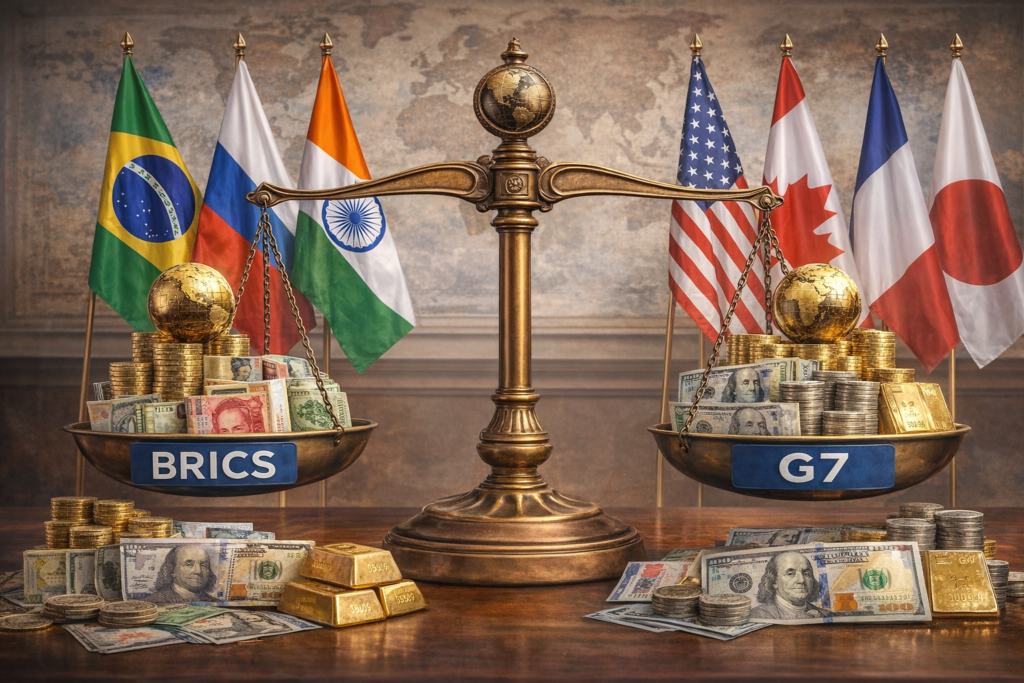
- G7 (Group of Seven): G7 is a group of countries that are mostly democracies from the Western world. BRICS is different from the G7 because BRICS is a group of countries that are still developing. BRICS focuses on how to help these countries develop and make their economies stronger. On the hand the G7 focuses on security and things that affect the whole world. Sometimes BRICS and the G7 do not agree on things like when BRICS does not like the rules or trade deals that the G7 makes. One big difference between BRICS and the G7 is the kind of countries that’re in each group. BRICS has countries that are very different from each other but the G7 has countries that are very rich and have stable governments.
- G20: group that includes all the countries from BRICS plus other big economies like the United States and the European Union. The G20 talks about how to make the global economy work better. BRICS is about working together with other countries from the Global South. Some people think of BRICS as a version of the G20 but just for developing countries. However the G20 is different from BRICS because the G20 can make decisions about global governance but BRICS cannot.
- Shanghai Cooperation Organization (SCO): SCO is a group of countries from Eurasia that work together on security and fighting terrorism. The SCO has some of the countries as BRICS but it focuses more on security in that region. BRICS is broader. Focuses on economics and development for the whole world.
- ASEAN, EU: ASEAN and the EU are different from BRICS because they are formal organizations. ASEAN (Association of Southeast Asian Nations) has a set of rules and a secretariat that rotates and the EU (European Union) has a parliament and can enforce its rules. BRICS does not have any of these things. It is more of a loose alliance.
- Global South Alliances: Global South Alliances, like the G77 and the NAM are groups that represent developing countries. They are not as strong economically as BRICS. There is also a group called IBSA, which’s a cooperation between India, Brazil and South Africa and it laid the groundwork for the kind of collaboration that BRICS does. BRICS is special because it has the power to make a difference, in the world.
In sum, BRICS’s niche is being a mid-sized power coalition that explicitly challenges the economic status quo. It differs from alternatives by uniting a specific subset of emerging giants and pushing multilateral reforms from the Global South perspective.
Case Studies
- Energy Infrastructure in Brazil (2025): Energy Infrastructure in Brazil is going to be a deal in 2025. The New Development Bank gave money to an Electricity Distribution Modernization Project in São Paulo. In March 2025 the New Development Bank signed a loan with Companhia Paulista de Força e Luz, which is a big company in Brazil. This loan is for 1.425 billion in money. The project will help get electricity to 370,000 homes. It will also make the power grids better. Help Brazil reach its Energy Infrastructure goals, like the United Nations wants.
This is an example of the BRICS countries working together. A company in Brazil is using money from a bank that the BRICS countries started. The loan is also special because it uses the currency, which is what the BRICS countries want to use more of. This is a way of doing things and it shows that the BRICS countries are really working together.
- Sustainable Development in China (2026): Sustainable Development in China is something that people are talking about in 2026. In January 2026 the New Development Bank and Shanghai Rural Commercial Bank made a deal for a 100 million dollar loan. This loan is for a project called the “Greener Shanghai” project. The money will be used for wind and solar power. To make the city of Shanghai a better place to live. About 25 million people will benefit from this project. The New Development Bank is helping China reach its sustainability goals by giving money for energy and digital infrastructure. This is another example of the BRICS countries working together to help each other.
It shows that the BRICS countries can work together to make big things happen. They can use their platforms to get money to the projects that need it and to make sure that everyone is working towards the goals.
- Local-Currency Trade Expansion: The BRICS countries are also trying to use their money when they trade with each other. For example Russia is now using the currency to sell energy to China. India is also using its money to trade with Russia and some other countries. A report from 2023 said that the BRICS countries want to use their money more so they do not have to use the American dollar.
This is a thing for the BRICS countries to do but it is not easy. They need to make sure they have the systems in place to make it work.
- BRICS Plus Membership Decisions: The BRICS countries are also making decisions about who can join their group. In 2023 they invited 13 countries to join. 9 Of them said yes. This was a deal and it showed that the BRICS countries are really working together. The year they invited more countries to join and it brought together some countries that do not always get along. For example Iran and Saudi Arabia are now part of the group.
These real-world cases show BRICS in action: funding projects (with social and environmental impact) and reshaping international alignments. Each case is financed or influenced by BRICS institutions, demonstrating its practical implementation.
Future Challenges
Maintaining Unity: The bigger the BRICS group gets the harder it is to keep everyone on the page. We have to deal with problems like the rivalries in the Middle East between BRICS members and make sure they do not get in the way of what the group wants to achieve. This is a test for the BRICS alliance.
Equitable Burden Sharing: When you have players like China and India in the group they might get to decide what happens or who pays for things. This could make the smaller members of the BRICS group feel unhappy. We have to figure out how to share the costs like the costs of loans from the New Development Bank or helping each other in a crisis in a way that’s fair to everyone.
Relevance vs. Global Trends: If the power in the world economy shifts to places like sub-Saharan Africa or Latin America the BRICS group has to change too. The BRICS group also has to stay important in a world where new technology, like Artificial Intelligence and currencies and climate crises are changing everything.
Leadership Transitions: The leaders of the countries in the BRICS group are very important. If there are changes in the government like leaders in Brazil or Russia it might change what the BRICS group wants to do or how excited they are, about it. We need to have an idea of what we want to achieve in the long term and stick to it. The BRICS group needs leaders who can help them make decisions that will work for everyone.
Future Outlook
- Short Term (Next 1–2 years): BRICS will continue expanding membership. After Russia’s 2024 summit, additional countries (e.g. Turkey, Argentina, Nigeria, others) have sought entry. The New Development Bank will likely issue more bonds (e.g. “Panda bonds” in China or currency bonds in other markets) to fund climate and infrastructure goals. Members will push for a BRICS payment system (digital platform) by the 2026 summit, though actual currency integration is uncertain.
- Medium Term (5–10 years): If current trends hold, BRICS+ could include a dozen or more countries. Economically, BRICS may drive 50% or more of global growth. BRICS may propose reforms at the IMF/World Bank (quota realignments) and gain more seats at international tables. Regionally, we could see BRICS-inspired institutions (joint stock exchanges, tech networks). The idea of a BRICS currency or common platform could materialize in some limited form, especially if Western sanctions remain prominent.
- Long Term (Beyond 10 years): A likely scenario is a genuinely multipolar world order where BRICS and its Global South allies routinely counterbalance Western influence. If the BRICS bank and reserve pool mature, developing countries will have solid alternatives for financing. Global governance might evolve into more self-consciously competitive blocs, or BRICS could merge its agenda with other initiatives (e.g., merging with the G20 if reforms happen). BRICS’s place in the “world order” may solidify into a recognized coalition akin to NATO or the EU, though perhaps looser.
However the long-term prospects of BRICS depend on how its members work together. If the interests of member countries start to differ for example if tensions between India and China increase or if new members disagree then the unity of BRICS could weaken. On the hand if joint projects like using a BRICS currency widely or building a big infrastructure corridor, across member countries succeed it could make BRICS more relevant. BRICS unity will be strong if BRICS members have goals.